
Progressing Your Training Camps
Long Term Athletic Development

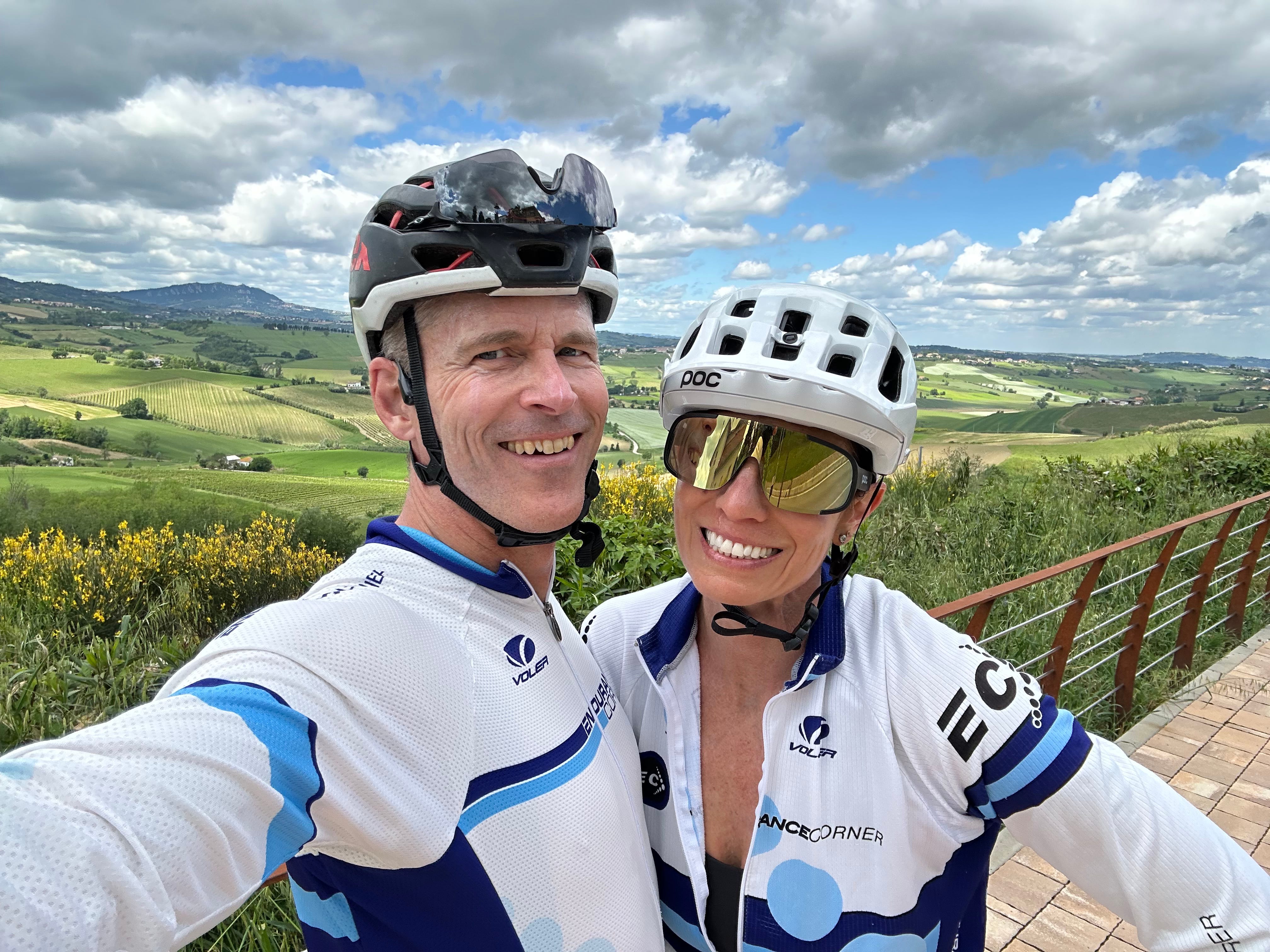
I banged out a 31 hour training week and felt pretty good.1 So I want to expand on the general thoughts I shared on X.
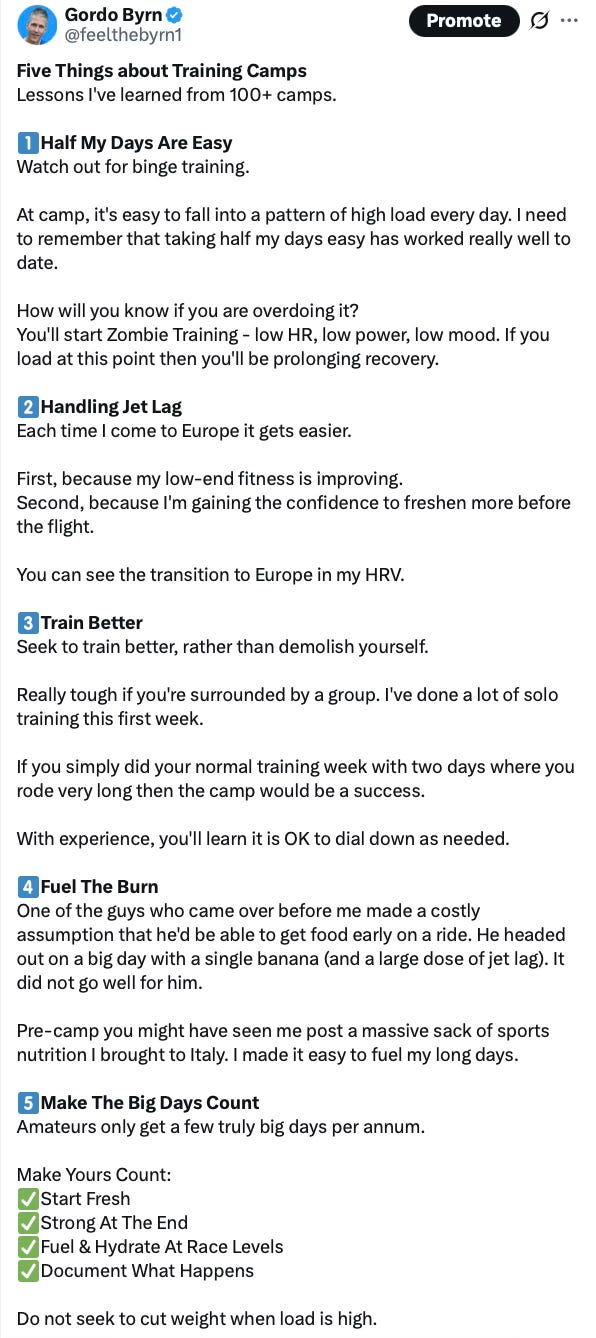
The more training camps (or big weeks) we complete the better our bodies will respond.
It takes weeks to learn a new location
Routes, pools, food, laundry… there is a lot of effort required when we go to a new place. This effort represents energy that’s not available to adapt to training.
Earlier this season, I wrote about training in Arizona (Here and Here). This time, I’m at Hotel Belvedere in Italy. At this point, I’m self-sufficient on the training front. Swim, bike, run, weights… it’s all dialed.
Don’t expect to get things right on your first, or second, visit. If you find a good enough location then it’s good enough.
It takes years to build the capacity to absorb big week training
I’ve done 100+ training camps and still train too hard if I spend all my days in a group environment.
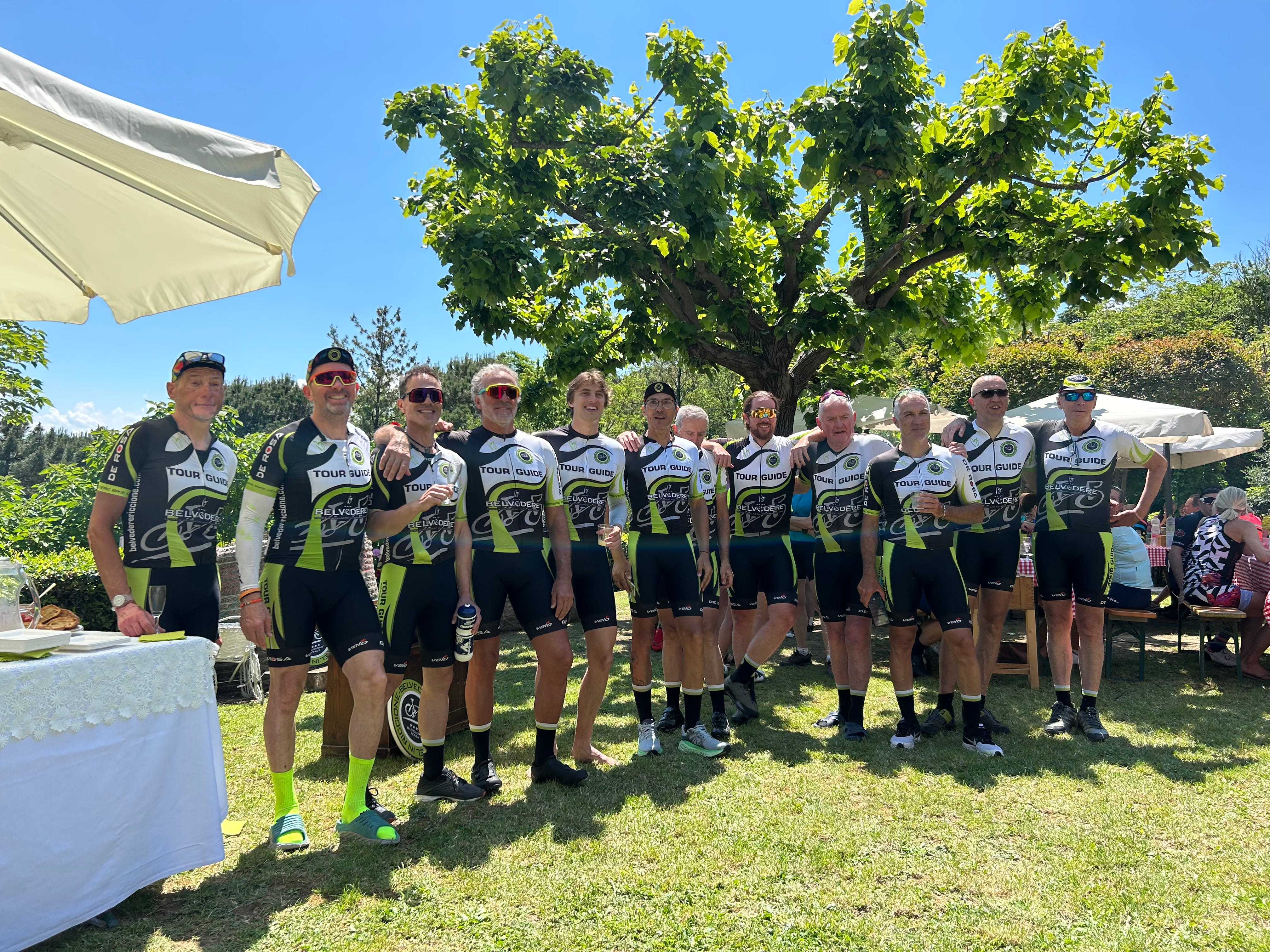
My mantra is Use The Group. If I have a tough session planned then it’s useful to have people around. We all do better when watched.
Easy days and endurance days… I’m better off solo, or training with someone below my level.
Other things to remember:
You’re going to get enough. There’s no rush to overload with volume or intensity. There’s plenty to go around.
The camp represents a single step (a big step, for sure, but it’s still only a step). We win camp by avoiding extended recovery when we get home.
Taking both of these together, we do best by keeping our normal weekly routine. For me, that represents 3-4 loading days and 3-4 easy days. I promise you will be tempted to skip your easy days. That’s a mistake. Make the big days bigger.
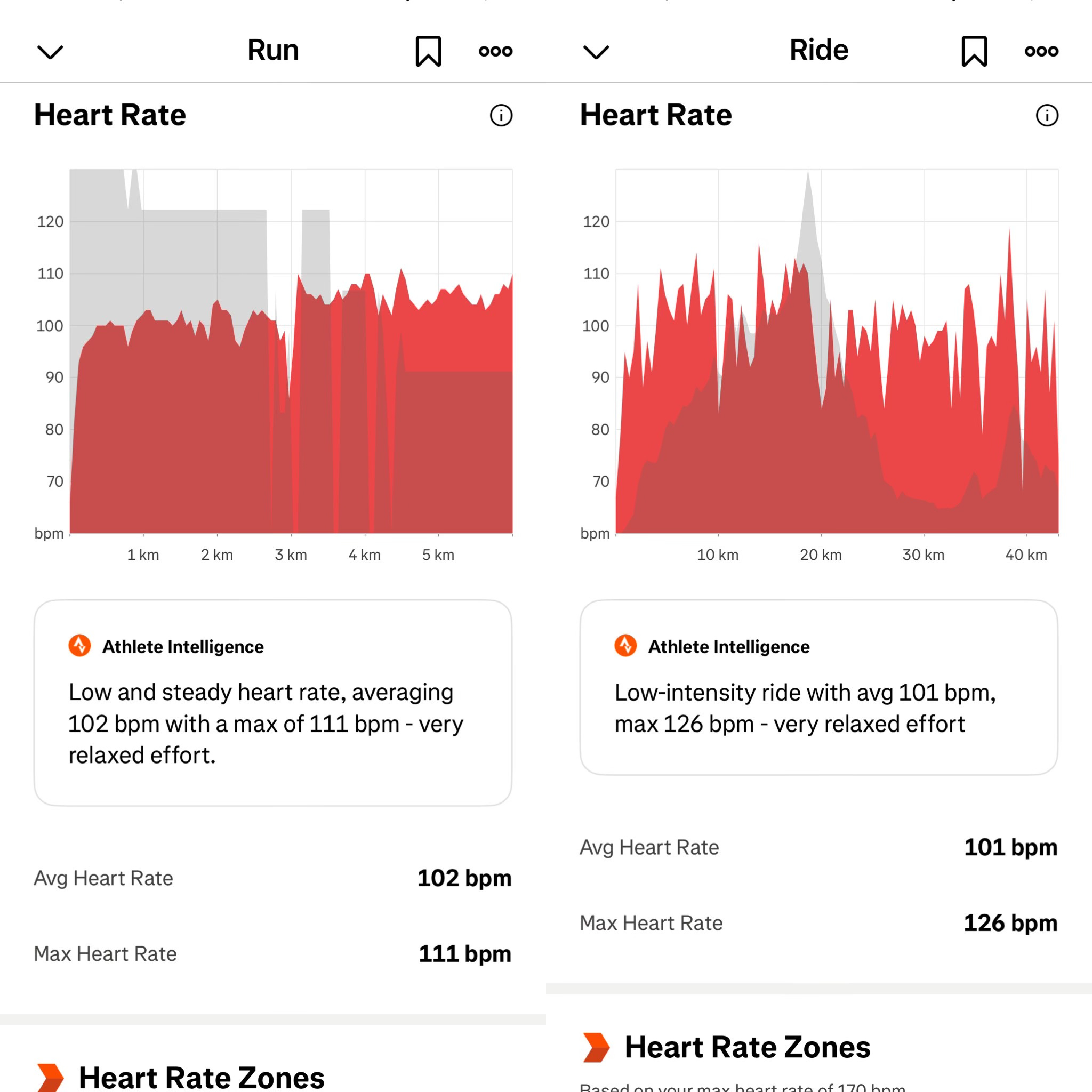
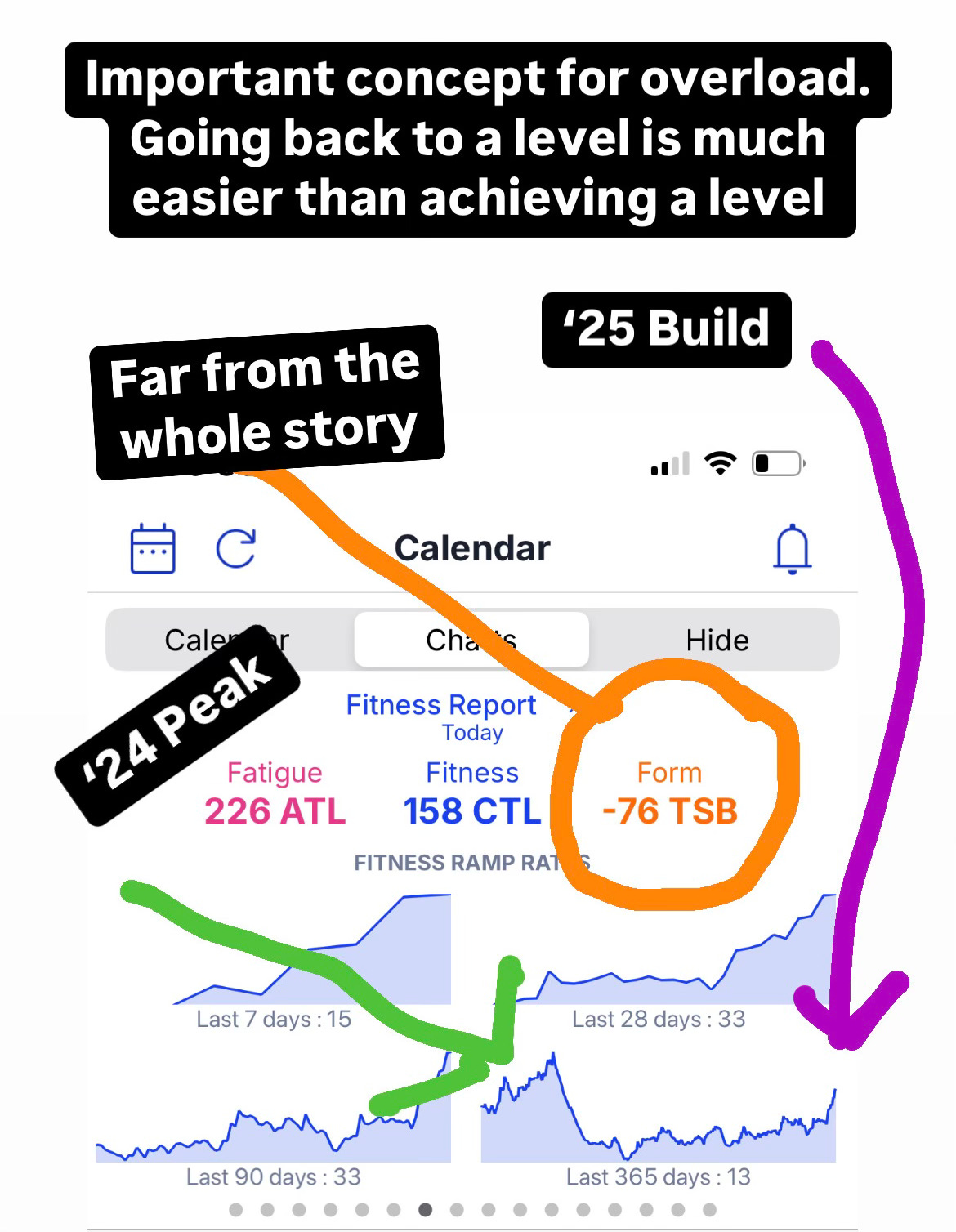
Compound Gains
Load Tolerance is separate from Race Performance.
Worth repeating… Just because you are fast, doesn’t mean you can tolerate a lot of load. Have the maturity to notice when training becomes maladaptive.2
We can invert this observation. If you are a developing athlete, or an amateur, who tolerates high volume then use this ability when your schedule allows.
Last year’s trip to Italy was an 11-day camp, nearly all easy training.
This year has been a 14-day camp, including more running and a four-hour bike race.
Next year, I’m considering coming out longer and having my family join in the middle for a rejuvenation block where I train with them.
Do you live year round at altitude? As an elite, I would spend winters at sea level. I have a hunch my trips away from my home altitude (5,500 ft / 1,700m) benefit me in ways I can’t see.
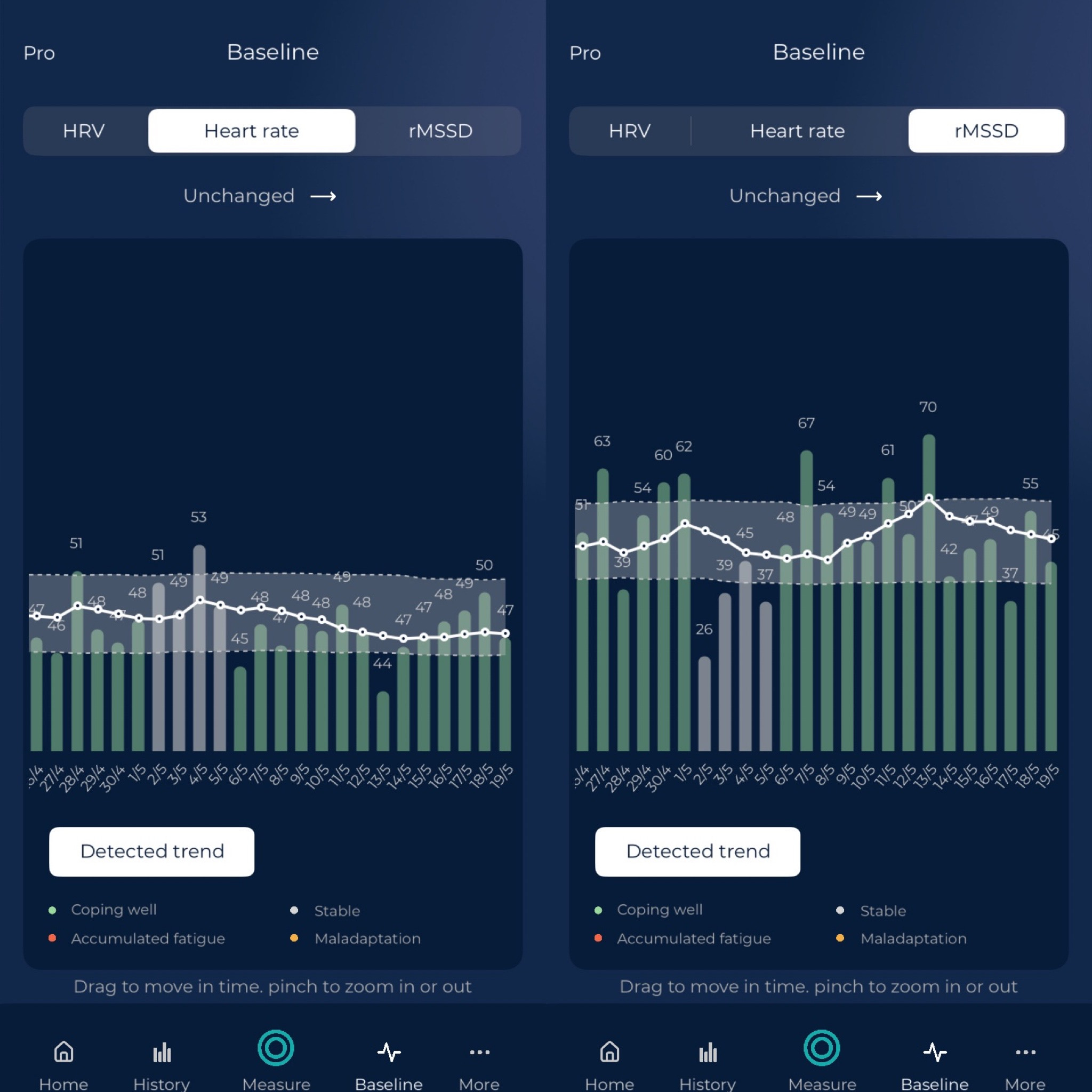
Update: I wrote the first draft of this at the end of my first week in Italy. I had an easy day (Saturday) then ripped a Granfondo on Sunday, setting season bests. My second week ended up around 27 hours.
As you come into form, it’s normal to see season bests. There’s no need to go looking for them. Save your best performances, and plenty of mental mojo, for the races that matter to you.
You can find links to our writing on maladaptive stress inside my article on Post Syndrome Training.
Last August I rode off from Marseille into the Calanque national park, including a decent climb, at 34 degrees, with a single 550ml water bottle thinking there would be water sources everywhere 😅 I actually got quite scared and turned around…
Great insight and a highlight of the common mistake which is overtraining. How do you usually coach people getting started in health/fitness/triathlon to gauge their training load efficiently?