
Exercise vs Training
Pressure-Dominant Exercise & Kilian Article on Energy

Exercise vs Training
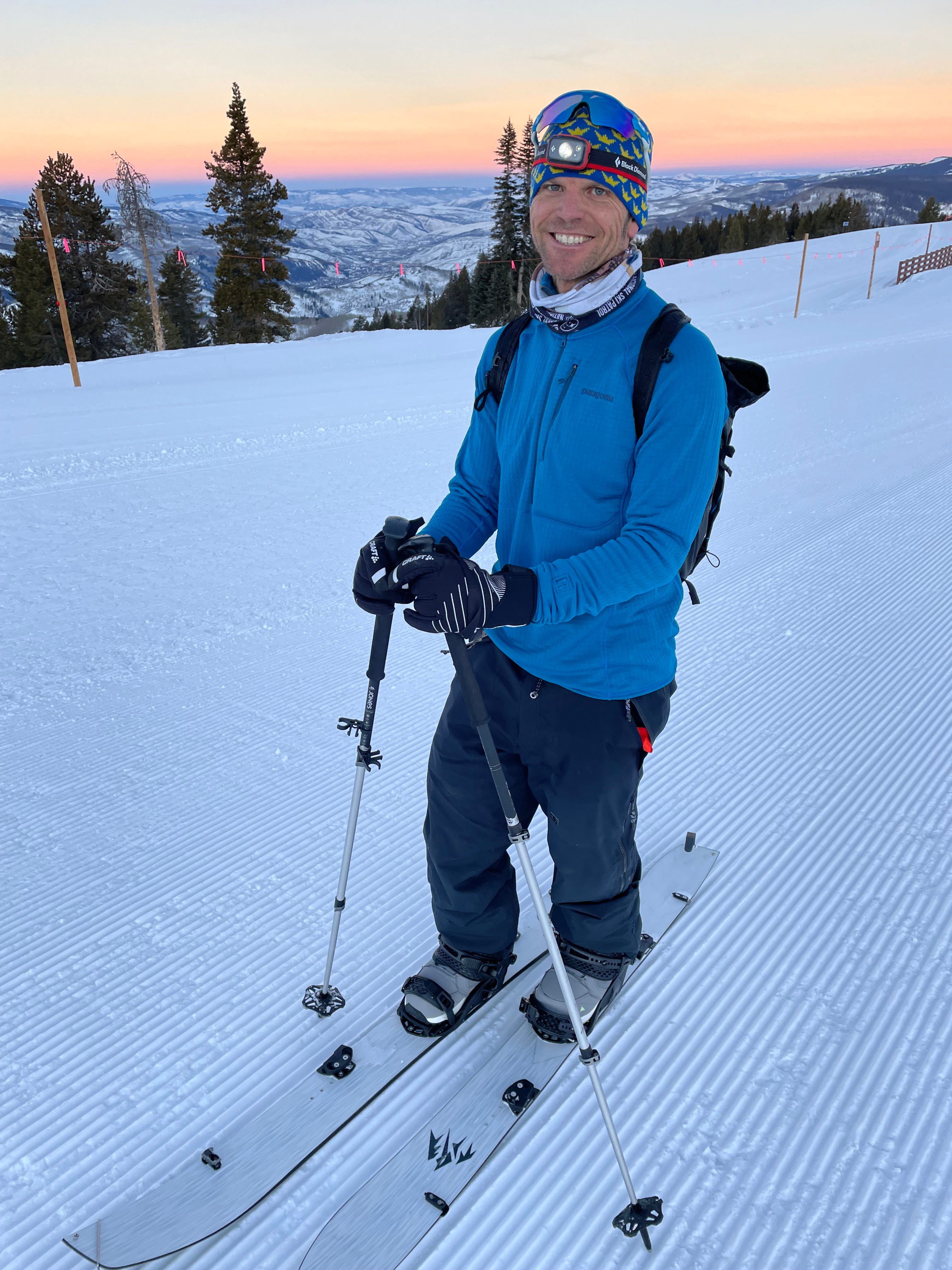
When I took ten years off competition, one of my objectives was to become a decent skier. By the time covid rolled around, I was touching snow 100+ times a season. My time spent was split 50:50 between skimo and downhill. The downhill was mostly bumps and steeps.
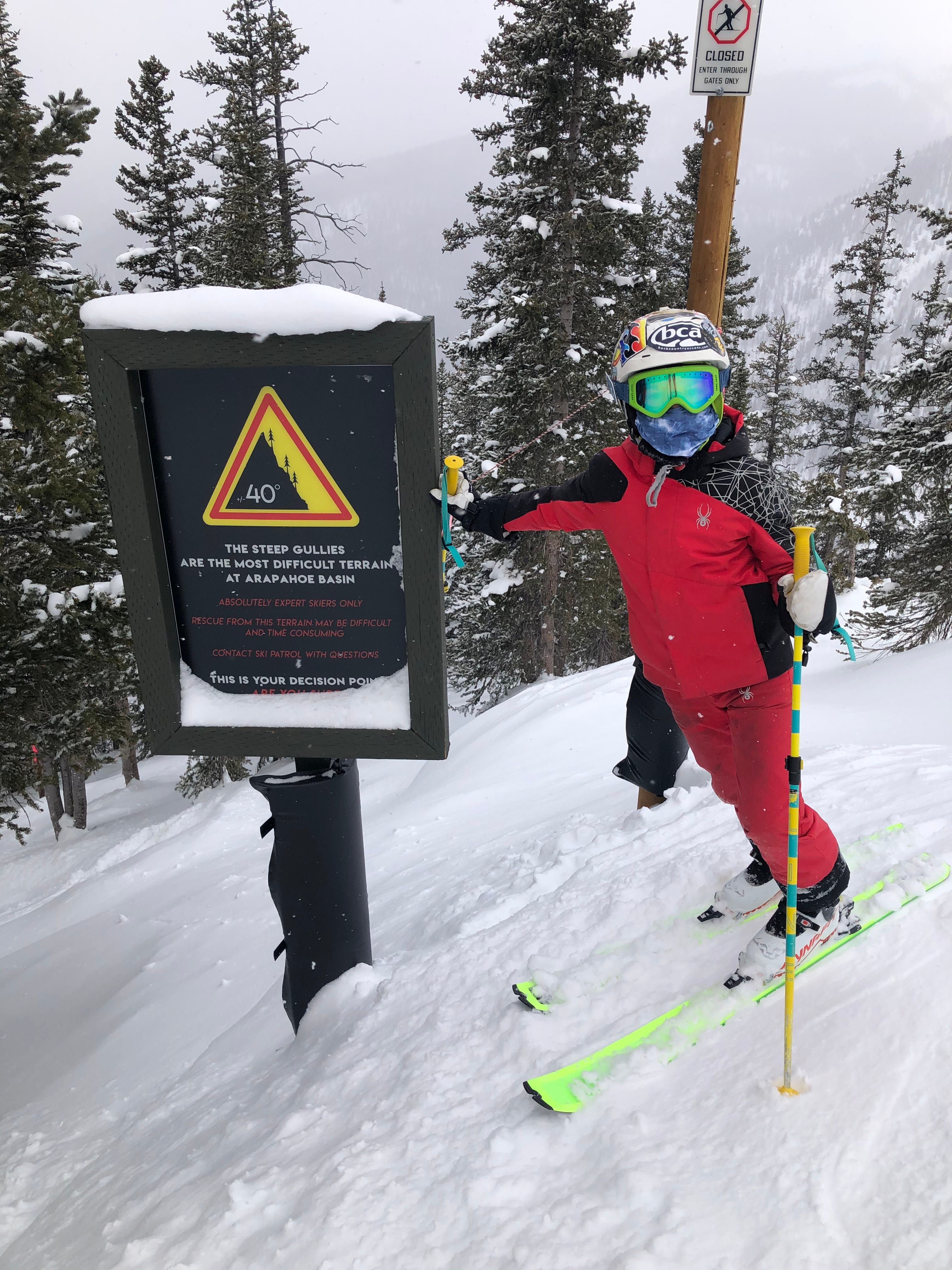
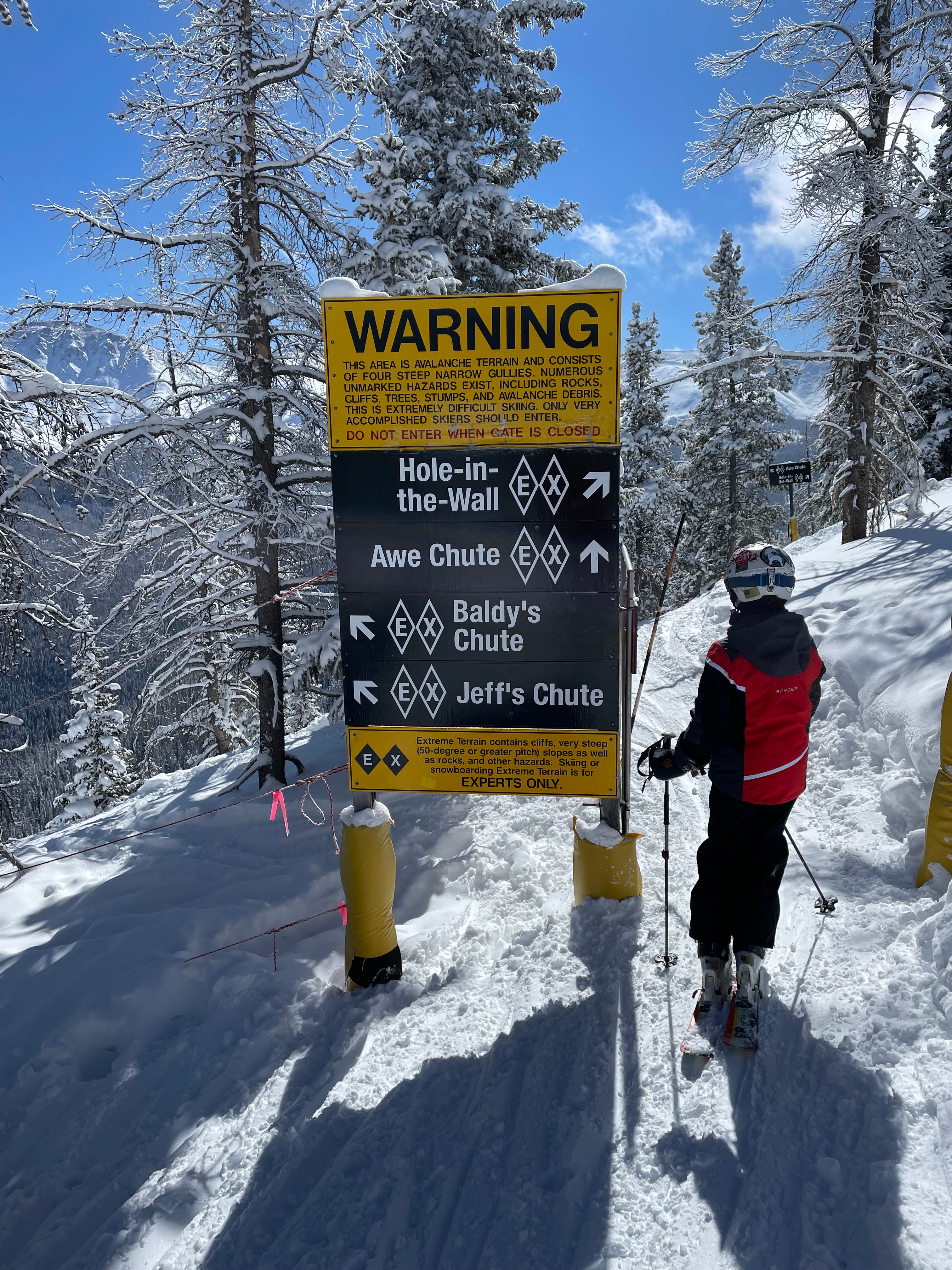
Getting back into triathlon (winter 2022/23) I asked Justin if skiing “counted.” He said I’d be fooling myself if I counted resort skiing. Turns out he was right, I was never able to generate much of a heart rate response (even skiing sustained double-black moguls). There’s a solid plyometric component but, as an endurance athlete, I only needed a bit of of plyos in my program.
With uphill skiing, JD would give me full credit for the uphill component. The challenge with skimo isn’t a lack of heart rate response. The challenge is getting an appropriate endurance training response. It’s easy to over-do-it with intensity.
Eventually, I figured out to ski uphill using my bike zones (not my run zones). A lower HR cap kept the lid on things. I capped myself at 80% of HRmax and aimed for 65-75% of HRmax.
With skimo, I never got around to lactate testing myself. I expect to get back into skimo in my early 60s1 and will return with an attention to detail. There are classic Colorado skimo races on my want-to-do list.
To summarize:
Sitting in a chair then sliding down a mountain… doesn’t count for endurance training.
Skinning up a mountain… definitely counts, wear a heart rate monitor so you aren’t in Zone 3+ all the time.
What about diving, surfing and other recreational pursuits?
I don’t think you’ll get an endurance benefit from them. That said, I’m always willing to be convinced - wear a chest-based heart rate monitor and report back. I’ve done this myself and my average heart rate was lower than if I was walking.
To be clear…
All exercise is good, especially outdoor movement.
You almost certainly need more movement.
Strength Training Heart Rate Response
I’ll start with the punchline.
If you are fit and training appropriately then you won’t get much of a heart rate response in the gym. If your strength training sees massive heart rate spikes then it’s a sign of a lack of fitness, or excessive zeal.
You don’t need to spike heart rate, or smash your nervous system, to benefit from being in the gym.
Yes, you can get your heart rate way up with CrossFit and Hyrox style training. I call those styles “work capacity” training and they are different from resistance training (traditional and sport specific).
I’d urge you to check lactates when you perform work capacity training. Even doing work capacity with an easy to moderate effort, you will find lactate elevates. If lactate is up then stress is up. If the goal is progress with endurance sport then you’ll want to strictly limit high lactate training, even when it feels easy or moderate.
Howard did a great article on this topic.

Howard’s explanation of pressure-dominant vs volume-dominant exercise is well made. The pressure dominance of rowing/skating is part of what makes them challenging to do in the Green Zone.
Coach Johan Röjler talks about the frequency of exercise. For a given work rate, the lower the frequency the higher the pressure. Skating, and rowing, are low frequency for the work rate. Same deal with assault bikes.
You’ll feel pressure-dominance when you do heavy work on the leg press sled, especially if you stand up quickly after a heavy set.
Similar to high-intensity work, high-pressure work can disrupt our training week.
Work Before Work Rate
Great article from Kilian about Energy Expenditure.
Kilian’s central thesis:
Create capacity (oxidation, multiple pathways simultaneously)
Ensure absorption (digestive capacity)
Give opportunity (substrate availability)
Kilian makes the point that we can get the order wrong.
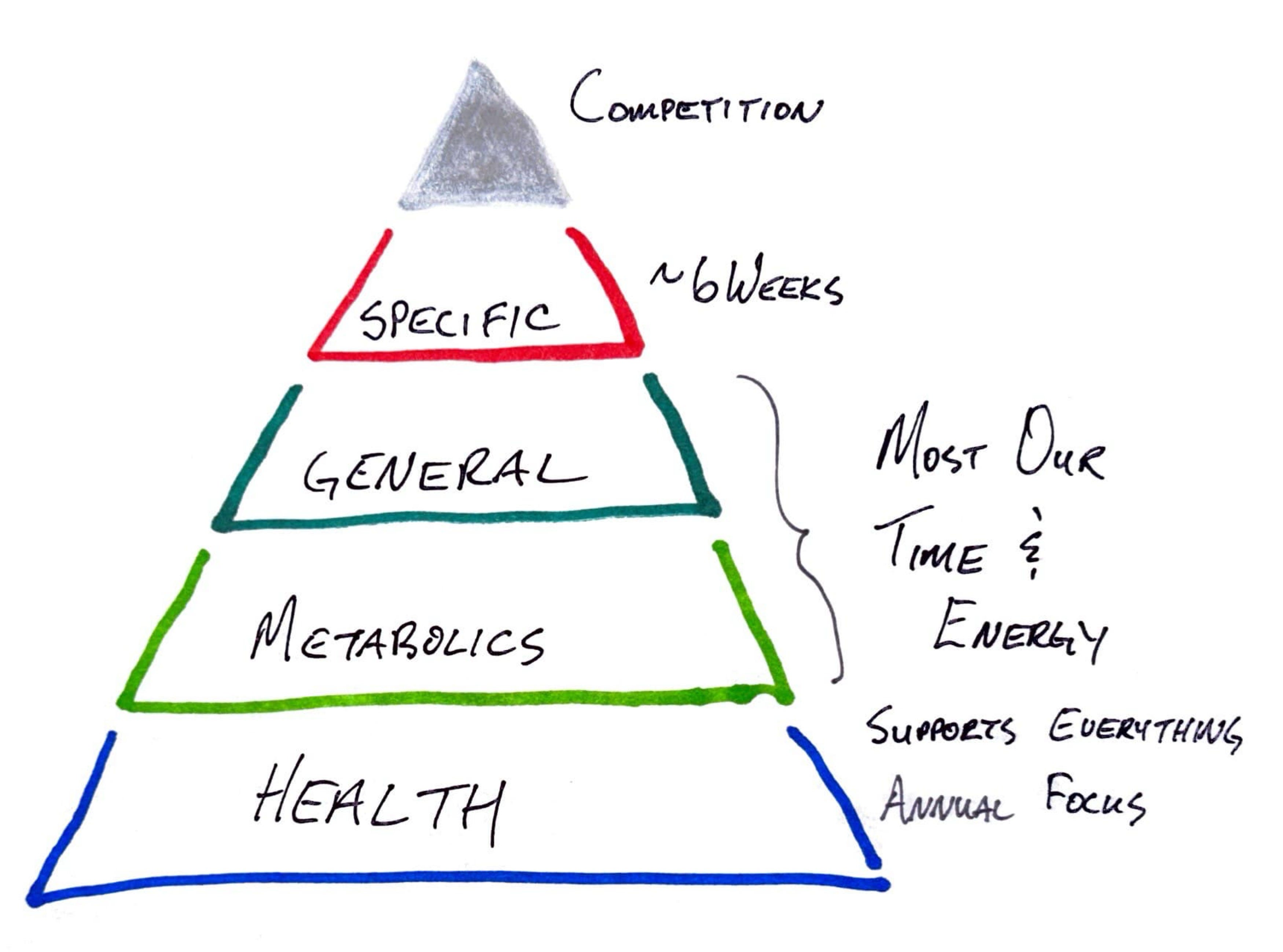
What does Kilian mean by getting the order wrong?
How will we know?
Our lactate will be elevated at seemingly easy efforts.
Despite being active daily, we will gain fat easily.
Again, you don’t need a lactate analyzer. What you will notice is breathing rate is up.
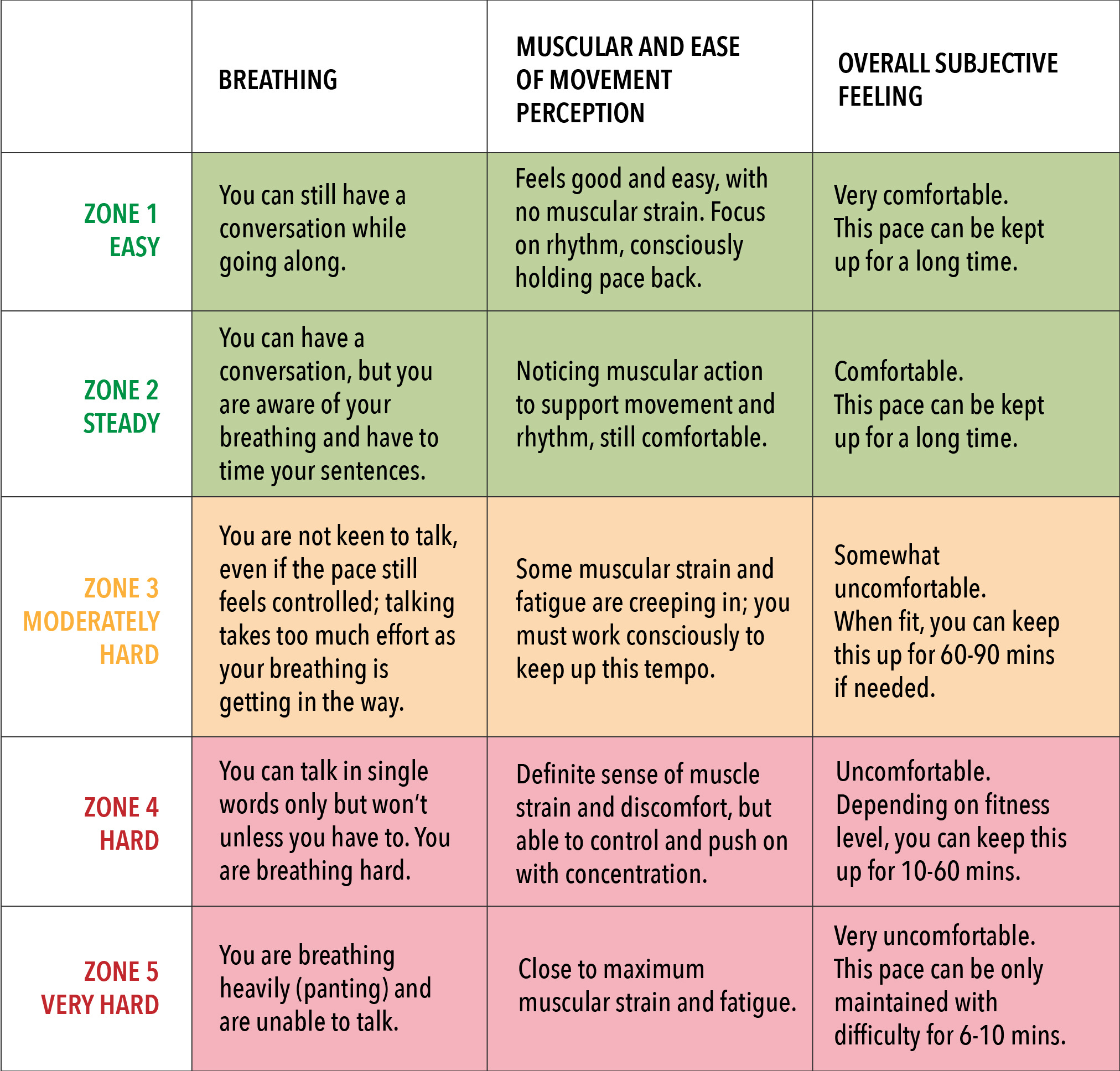
The talk-test is largely BS. Sample lactates and you will see.
At easy feeling, many of us have chronically elevated lactates (>2mmol).
When these athletes train “moderately” lactates are 3-5 mmol.
I was one of these people (!) and documented how I turned it around in the first few chapters of my How To Train series. You’ll get a better return on investment if you test for LT1 then have the discipline to apply what the testing indicates.
Easy training isn’t easy => mainly because of the constant humility and emotional control required.
Strict Intensity Control
Compound Volume
Low Stress
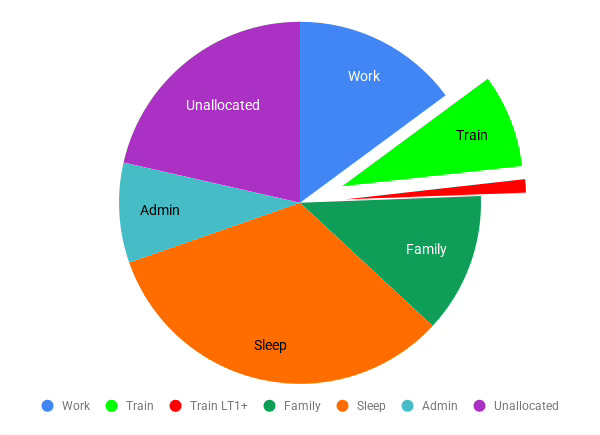

Once I’m satisfied with my triathlon race performance, I plan on broadening my sporting interests again. For now, I’m loving the challenge of getting back to high levels of multi-sport training, and performance. My next True Wealth article will cover creating a long-term vision for who we want to be 8 years from now. Reality is malleable.
One thing that I've realized is actually great green zone exercise is dancing! My heart rate is in the 60-65% range if I'm doing it right and it's great for range of motion. I'm counting it as circuit training for purposes of my training log.
G, I’m triggered! lol!
After NOT skiing resorts for 10+ years because it “didn’t count,” I’ve come to see resort days as strength training, plus valuable time-on-feet for other load-bearing objectives. Big units like me may benefit more from this philosophy though. There’s a reason World Cup downhillers are built like linebackers to optimize for force tolerance, not metabolic efficiency.
Like endurance training, resort skiing has easy days and hard days, but lift rides don’t sustain enough stress to meaningfully build aerobic capacity, especially for fit folks. Big terrain days can tax the nervous system and muscular endurance/lactic buffering (Silverton/Jackson), though developing those systems may be a net negative for speedy endurance goals.
Backcountry skiing is different and I consider solid aerobic endurance a non-negotiable prerequisite for high-exposure objectives, but that’s another conversation.